Understanding pollen seasons and allergic rhinitis in the UK
Over 13 million people in the UK suffer from hay fever. We explain the different pollen seasons, why symptoms vary year to year, and how to reduce indoor exposure.

A practical guide to pollen, indoor allergens and the steps you can take at home.
Find your next step
Pollen varies with the season and the weather. Check the local forecast and notice when your symptoms change.
After time outdoors, shower and change clothes. During high pollen periods, keep doors and windows closed where practical.
Vacuum regularly and dust with a damp cloth. A HEPA purifier can help capture airborne particles that pass through its filter.
A pharmacist can discuss treatment options. If symptoms are worsening or pharmacy medicines are not helping, speak to your GP.
These are broad UK seasonal patterns, not a local forecast. Dates shift with the weather and your location.
Usually the earlier part of the season, from late winter into spring.
Usually late spring and summer.
Can extend the season through summer into early autumn.
No. Filtration can help capture airborne pollen, but a purifier is not a treatment or a cure for hay fever.
UK hay fever symptoms are commonly worse between late March and September. Timing varies with the plant, location and weather; use a local forecast.
Compare HEPA filtration, coverage, noise and maintenance. Read the individual product specification; the technologies differ across the range.
Airborne particles are only part of the picture. Cleaning, bedding, ventilation and the source of an allergen also matter.
Over 13 million people in the UK suffer from hay fever. We explain the different pollen seasons, why symptoms vary year to year, and how to reduce indoor exposure.
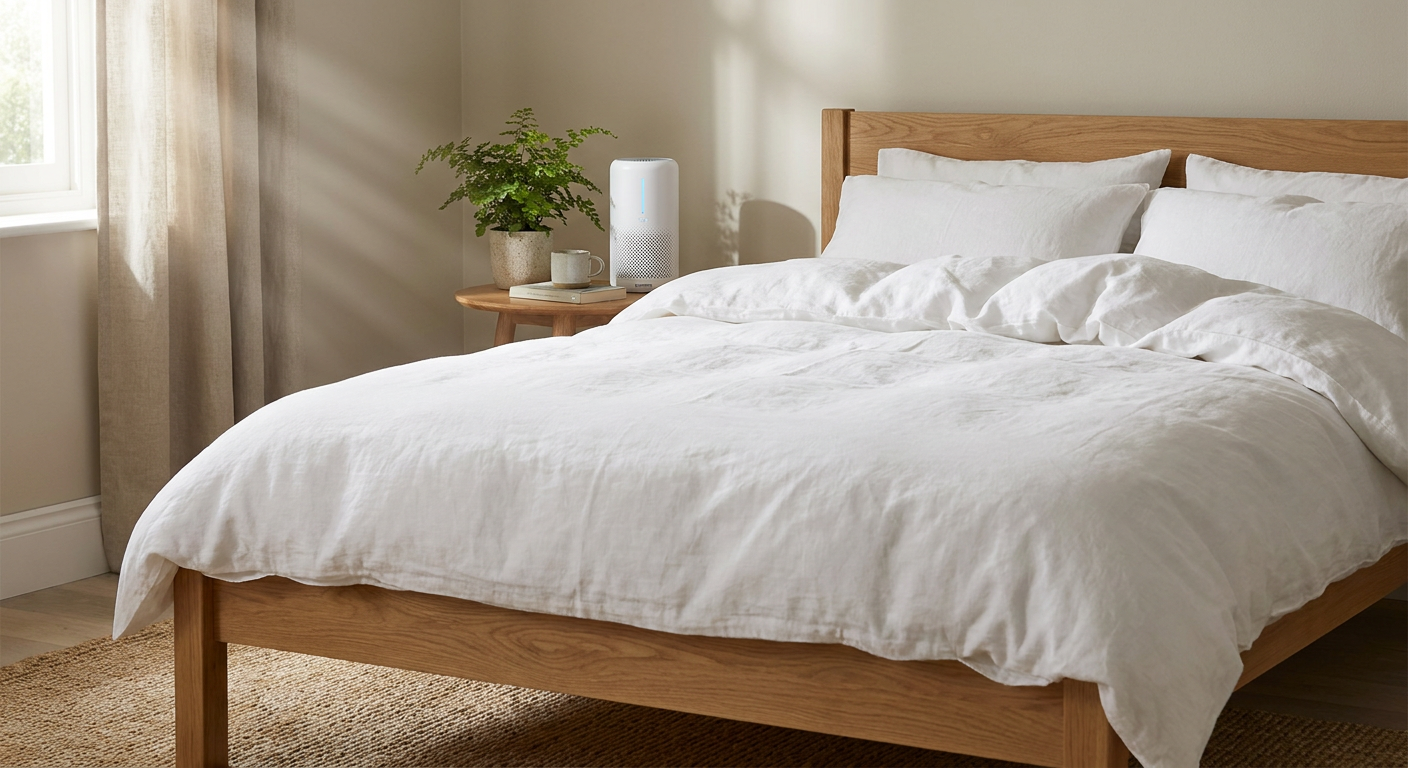
Poor air quality in your bedroom could be undermining the quality of your sleep without you knowing it. Here is what the research says and what you can do.

With dozens of options on the market, choosing an air purifier can feel overwhelming. This guide cuts through the marketing claims to help you make the right choice.
For symptoms, self-care and treatment advice, visit the NHS hay fever guidance.
NHS hay fever guidance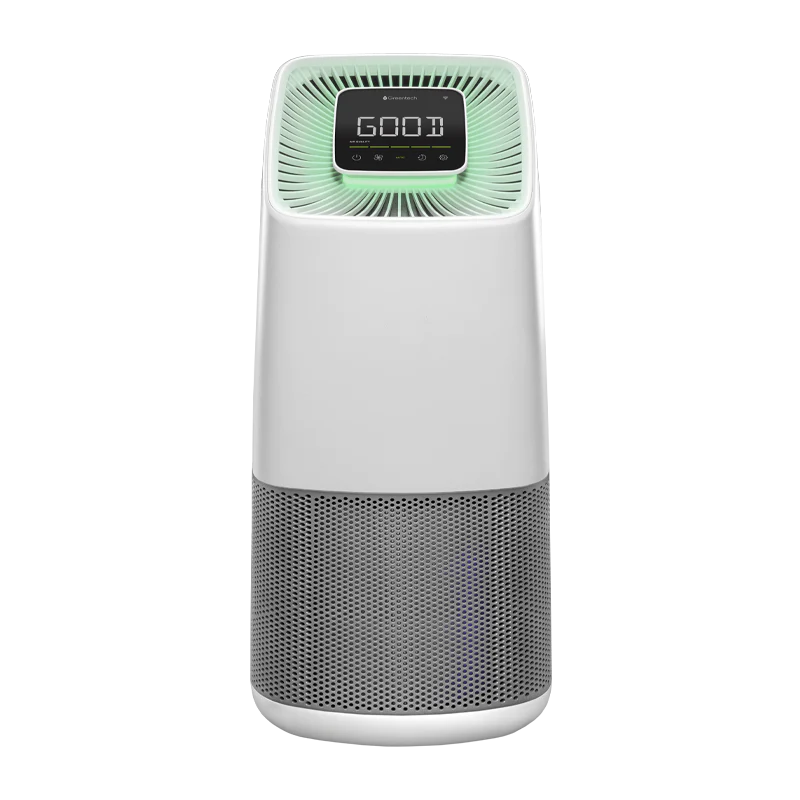
Whole-room active purification for living spaces
Explore Hepa RoomFiltration, odour treatment and active purification for larger rooms
Explore HEPA ProAirborne particles can move through a room or settle on furniture and fabrics. Cleaning and managing sources remain part of the response.
HEPA Pro filters air drawn through the unit. Its five fan speeds and auto mode can fit different routines. Particle capture is not a promise of symptom relief or a substitute for medical advice.
The manufacturer’s manual explains the product’s operation. It does not establish a guaranteed outcome in this setting. Room layout, ventilation, use and maintenance matter.
Tell us about your space. We’ll help you understand the options.
Talk to our team